Signs It’s Time for a New Roof: How to Spot Roof Damage Early
A home’s roof is one of its most critical components, providing protection against harsh weather, maintaining energy efficiency, and ensuring the safety and comfort of everyone inside. Yet, despite its importance, many homeowners neglect regular roof inspections or fail to recognize the early signs of damage. Roof issues often start small, hidden beneath shingles or along flashing, and can escalate into significant structural problems if ignored. Understanding when it’s time to replace your roof is crucial for avoiding costly repairs, property damage, and potential safety hazards. By learning to identify early warning signs, homeowners can make informed decisions and maintain the integrity of their property. Proactive roof maintenance not only safeguards your home’s structure but also preserves its market value and curb appeal. In today’s housing market, a well-maintained roof is a strong selling point and a key factor in passing inspections. Ignoring early warning signs can shorten the lifespan of the entire roofing system. Timely action ensures your home remains protected year-round.
Roof damage can stem from a variety of sources, including severe weather, aging materials, poor installation, or lack of maintenance. While some problems are immediately visible, others develop gradually, requiring a keen eye and timely intervention. From missing shingles and sagging sections to water stains and mold growth, the indicators of roof deterioration are diverse but often clear once you know what to look for. This guide explores the essential signs that signal it’s time for a new roof, offering practical insights to help homeowners detect issues early, protect their investment, and ensure their home remains safe and structurally sound. By understanding these warning signals, you can avoid emergency repairs and unexpected expenses. Regular monitoring and professional assessments make it easier to plan ahead rather than react to sudden failures. Taking a strategic approach to roof care strengthens long-term performance and reliability. Ultimately, early detection empowers homeowners to make confident, cost-effective decisions about repair or replacement.
1. Visible Shingle Damage
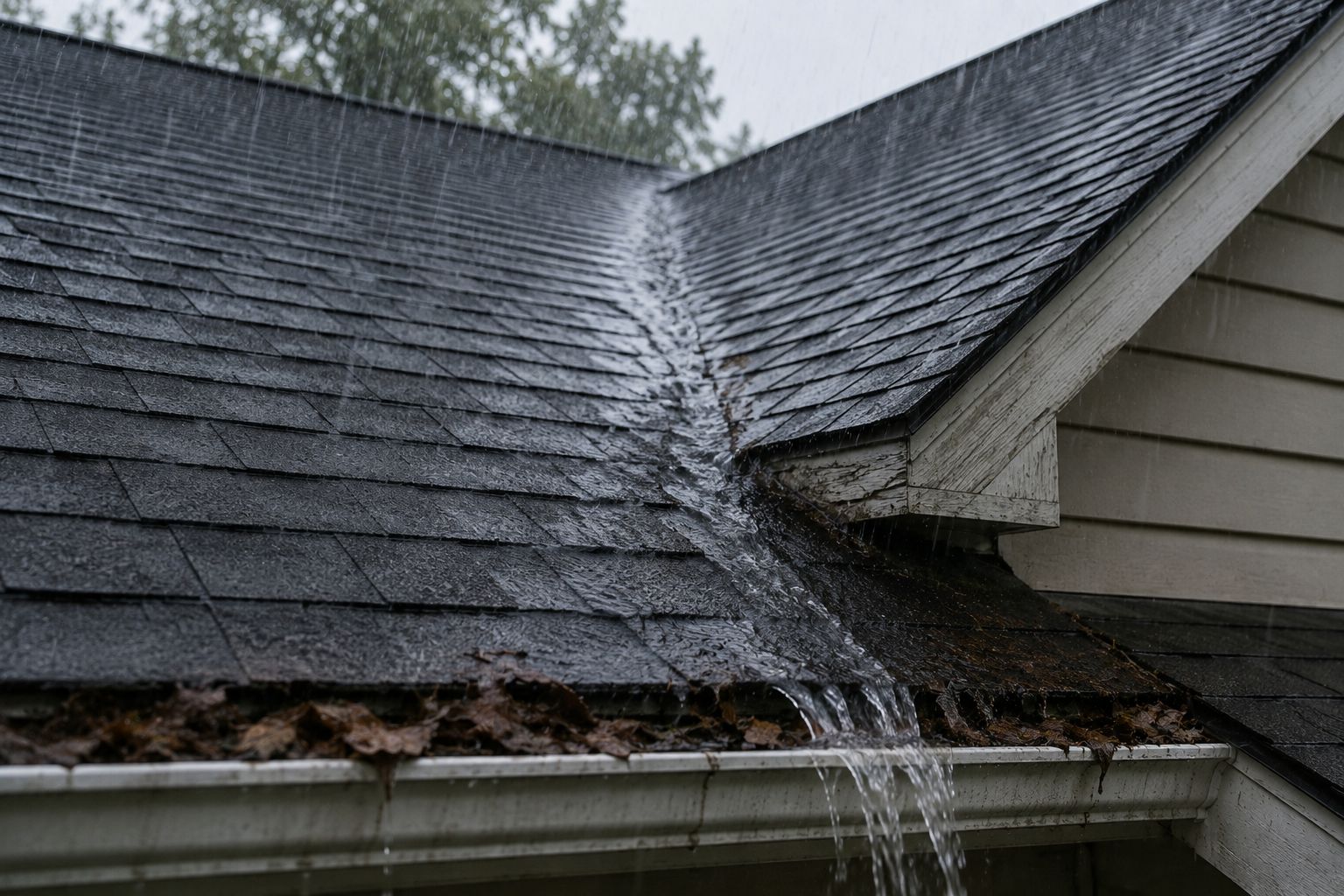
- Common Causes of Poor Roof Drainage:-
One of the most obvious indicators of roof wear is damaged shingles. Over time, shingles can crack, curl, or warp due to exposure to sun, wind, rain, and fluctuating temperatures. Curled shingles reduce your roof’s ability to shed water effectively, while cracked shingles can allow moisture to seep underneath, leading to leaks and structural damage. Homeowners should inspect their roof regularly, paying close attention to shingles that show signs of cracking, curling at the edges, or brittleness.
- Missing Shingles:-
High winds and severe storms can lift and dislodge shingles. Missing shingles leave the underlying roofing materials exposed, increasing the risk of water infiltration and damage to the decking beneath. Even a small area of missing shingles can compromise the roof’s protective barrier. Spotting gaps early allows for timely repair or replacement before the damage spreads.
- Granule Loss:-
Asphalt shingles contain granules that protect against UV rays and weathering. Significant granule loss can appear as bald spots on the roof or granules accumulating in gutters. This loss not only diminishes the roof’s lifespan but also signals that shingles are nearing the end of their functional life, warranting professional assessment for potential replacement.
2. Signs of Water Damage
Interior Water Stains
Water stains on ceilings, walls, or in the attic are often the first visible sign of roof problems. These stains can appear as yellow or brown patches and typically indicate that moisture is penetrating the roof structure. If left unaddressed, water infiltration can lead to mold growth, rotting wood, and compromised insulation. Regular interior inspections, especially after heavy rain, can reveal hidden leaks early.
Mold and Mildew Growth
Persistent moisture from a leaking roof can create the perfect environment for mold and mildew. Beyond structural concerns, mold presents health risks, including respiratory issues and allergic reactions. Detecting mold inside your home, particularly in attic spaces or near roof penetrations, should prompt an immediate roof inspection.
Dripping or Leaking Water
Active leaks are a clear signal that your roof needs attention. Dripping water may occur around chimneys, skylights, vents, or roof valleys, and often worsens during storms. Even small leaks can lead to significant damage if left unrepaired, emphasizing the importance of prompt action and professional evaluation.
3. Roof Age and Material Wear
- Typical Lifespan of Roofing Materials:- Different roofing materials have varying lifespans. Asphalt shingles usually last 20–25 years, while metal roofs can last 40–70 years, and clay or concrete tiles often endure 50 years or more. Understanding your roof’s material and age helps determine whether repairs are sufficient or if a full replacement is more cost-effective.
- Signs of Material Fatigue:- As roofs age, their materials naturally deteriorate. Asphalt shingles may become brittle, tiles may crack, and metal roofing can corrode or develop rust. Aging roofs often display a combination of issues, including sagging, uneven surfaces, or visible gaps between materials. Regular inspections can identify material fatigue before it leads to major failures.
- Professional Roof Assessments:- A professional roofing contractor can assess your roof’s condition more accurately than a casual visual inspection. They evaluate not only surface damage but also structural integrity, flashing, underlayment, and ventilation systems. Routine assessments help homeowners plan replacements proactively, avoiding emergency situations that can be costly and disruptive.
4. Structural Issues
Sagging Roof Deck
A sagging roof is one of the most serious signs of structural damage. It may result from prolonged water exposure, deteriorating decking, or inadequate support. Even slight sagging can compromise the roof’s ability to shed water properly and may lead to partial or complete collapse if ignored. Immediate professional intervention is essential when sagging is observed.
Ice Dams and Roof Deformation
In colder climates, ice dams can form along roof edges, causing water to back up under shingles. This can lead to warping, leaks, and weakened roof structures. Warping may also occur in hot climates due to prolonged heat exposure, causing buckling or uneven surfaces. Both scenarios indicate the roof’s protective capabilities are compromised.
Gutter and Fascia Damage
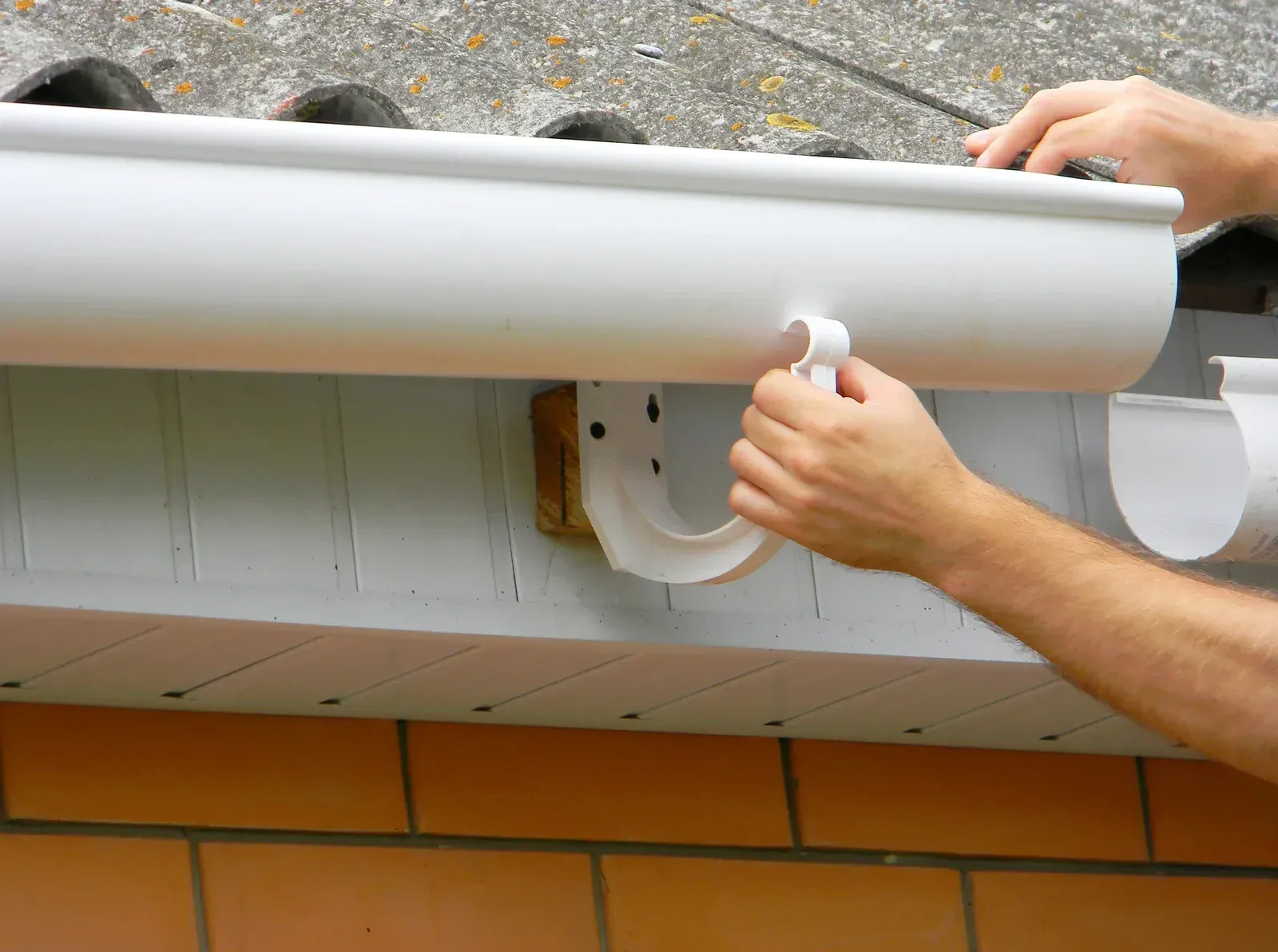
Gutters and fascia boards play a key role in directing water away from the roof and home foundation. Damaged gutters or rotting fascia can indicate that water is not being properly channeled, potentially signaling underlying roof issues. Regular inspection of these components can reveal hidden damage and prevent more severe problems.
5. External Environmental Damage
- Storm and Wind Damage:-
Severe weather events, including storms, hail, and high winds, can cause immediate or cumulative roof damage. Hail can crack or dent shingles and tiles, while wind can lift and loosen roofing materials. Even minor storm damage can compromise the roof’s protective barrier, making early inspection critical after adverse weather events.
- Tree Damage:-
Overhanging tree branches pose a constant threat to roofs. Falling branches can puncture roofing materials, while leaves and debris can accumulate, trapping moisture and accelerating wear. Additionally, moss and algae growth often thrive in shaded areas created by trees, which can degrade shingles over time. Routine trimming and roof cleaning are preventive measures that extend roof longevity.
- UV and Heat Exposure:-
Sunlight and extreme heat cause roofing materials to deteriorate gradually. Asphalt shingles may crack, curl, or lose granules, while metal roofs can fade or expand and contract, leading to gaps or loosening fasteners. Long-term UV damage is often subtle but cumulative, emphasizing the need for ongoing maintenance and timely replacement planning.
6. Preventive Maintenance and Timely Replacement
Importance of Routine Inspections
Regular roof inspections are essential to catch issues before they escalate. Homeowners should inspect their roof at least twice a year—preferably in spring and fall—and after major storms. Checking shingles, flashing, gutters, and attic spaces ensures that problems are identified early, saving time and money in the long term.
Early Intervention Benefits
Addressing minor roof damage promptly can extend the roof’s life, prevent leaks, and reduce repair costs. Replacing a few damaged shingles is far less expensive than repairing water-damaged structures or replacing an entire roof prematurely. Early intervention also protects home value and ensures ongoing safety for occupants.
When Replacement Is Preferable
While repairs can address localized issues, certain situations necessitate a full roof replacement. Extensive shingle deterioration, widespread leaks, sagging structures, or roofs that have reached the end of their expected lifespan often require complete replacement. Consulting with a professional roofing contractor helps determine whether repairs or replacement is the most effective solution.
Expert Roofing Services Backed by Decades Experience
Recognizing the early signs of roof damage is critical to protecting your home, maintaining structural integrity, and avoiding costly repairs. From visible shingle issues and water stains to structural sagging and environmental damage, the indicators of a failing roof are diverse but often detectable with careful inspection. Homeowners who remain vigilant and perform regular maintenance can extend the life of their roof and ensure their property remains safe and secure.
Absolute Roofing and Gutters, serving Atlanta, Macon, and Gainesville, Georgia, brings 15
years of trusted experience to every roofing project. With a focus on quality, safety, and customer satisfaction, our team offers expert roof inspections, repairs, and full replacements tailored to your home’s unique needs. We combine industry knowledge with hands-on expertise, ensuring every roof we service meets the highest standards of durability and protection. Choosing Absolute Roofing and Gutters
means partnering with a reliable, professional, and experienced company committed to safeguarding your home and investment for years to come.