The Ultimate Guide to Roof Materials: Asphalt, Metal, and More Explained
Choosing the right roofing material is one of the most critical decisions for homeowners and property managers alike. A roof is not just a protective layer; it is a structural component that influences energy efficiency, durability, aesthetic appeal, and even the overall value of a property. With countless materials available—from traditional asphalt shingles to modern metal and synthetic options—understanding the unique benefits and limitations of each is essential. Selecting the wrong material can lead to premature wear, higher maintenance costs, and reduced protection against the elements, making informed choices a necessity rather than an option.
As the roofing industry continues to innovate, new materials and technologies offer enhanced performance, sustainability, and longevity. Homeowners today must consider factors such as local climate, budget constraints, installation requirements, and maintenance expectations when evaluating options. This guide provides an in-depth exploration of the most popular roofing materials, offering actionable insights and expert reasoning. Whether you are planning a new installation, a replacement, or simply exploring options for future upgrades, understanding the differences between asphalt, metal, tile, and other materials will empower you to make the best decision for your home or business.
Asphalt Shingles – The Industry Standard
Overview of Asphalt Shingles
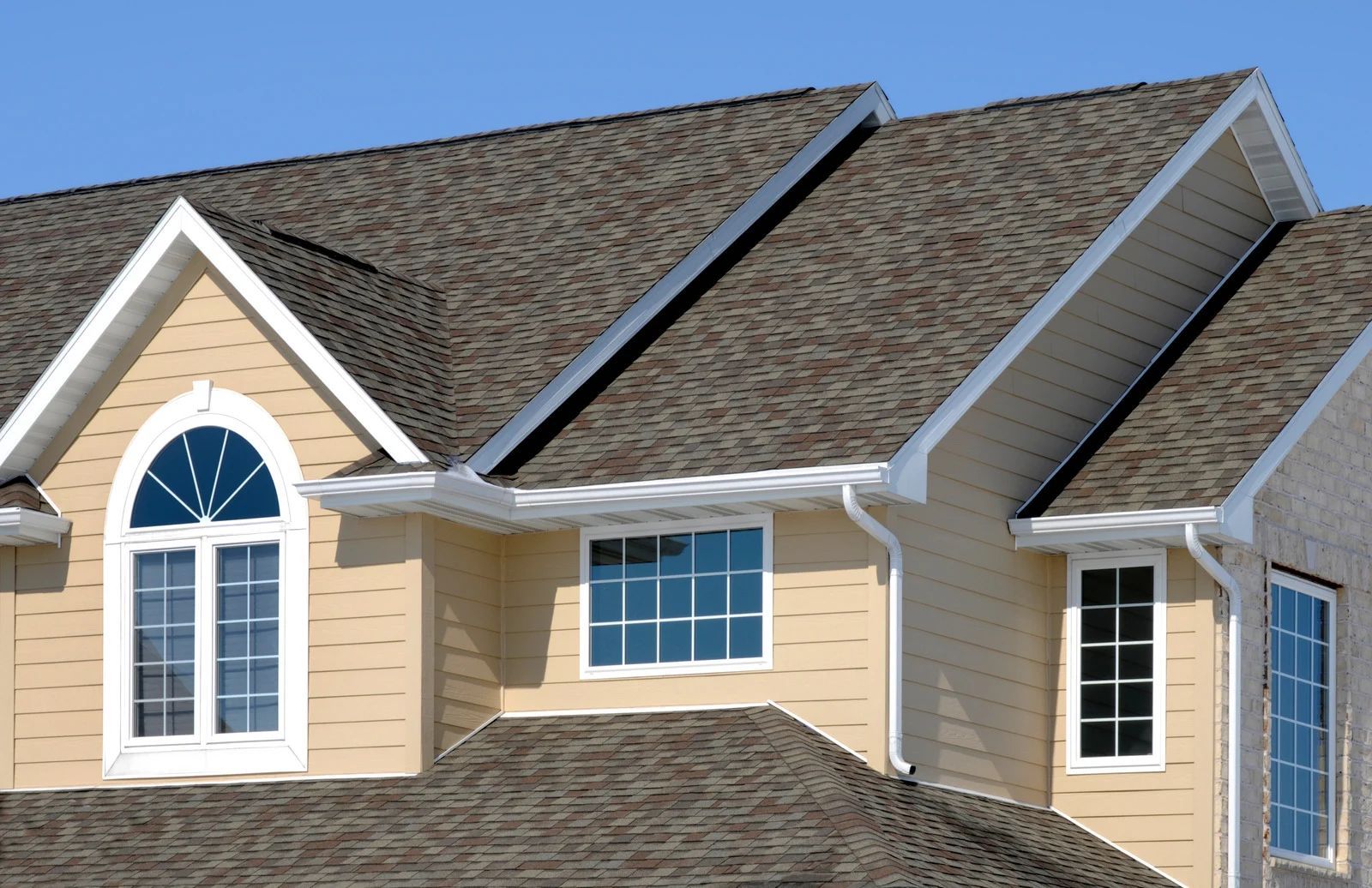
Asphalt shingles are the most commonly used roofing material in residential construction across the United States. Their widespread popularity stems from affordability, ease of installation, and versatile design options. Composed primarily of fiberglass or organic matting coated with asphalt and granules, these shingles provide effective waterproofing and moderate durability.
Benefits of Asphalt Shingles
- Cost-Effective: Asphalt shingles are relatively inexpensive compared to metal or tile options, making them ideal for budget-conscious homeowners.
- Variety of Styles and Colors:
Modern manufacturing allows a range of colors and textures, mimicking wood shakes or slate for aesthetic flexibility.
- Ease of Installation and Replacement: Asphalt shingles are lightweight and can be installed quickly, reducing labor costs and downtime during roof replacement.
Challenges to Consider
While asphalt shingles are durable, they have a limited lifespan—typically 20 to 30 years depending on climate and maintenance. They are also susceptible to wind damage and temperature fluctuations, which can cause curling or cracking over time. Additionally, they are less eco-friendly than other options due to their petroleum-based composition.
Best Practices
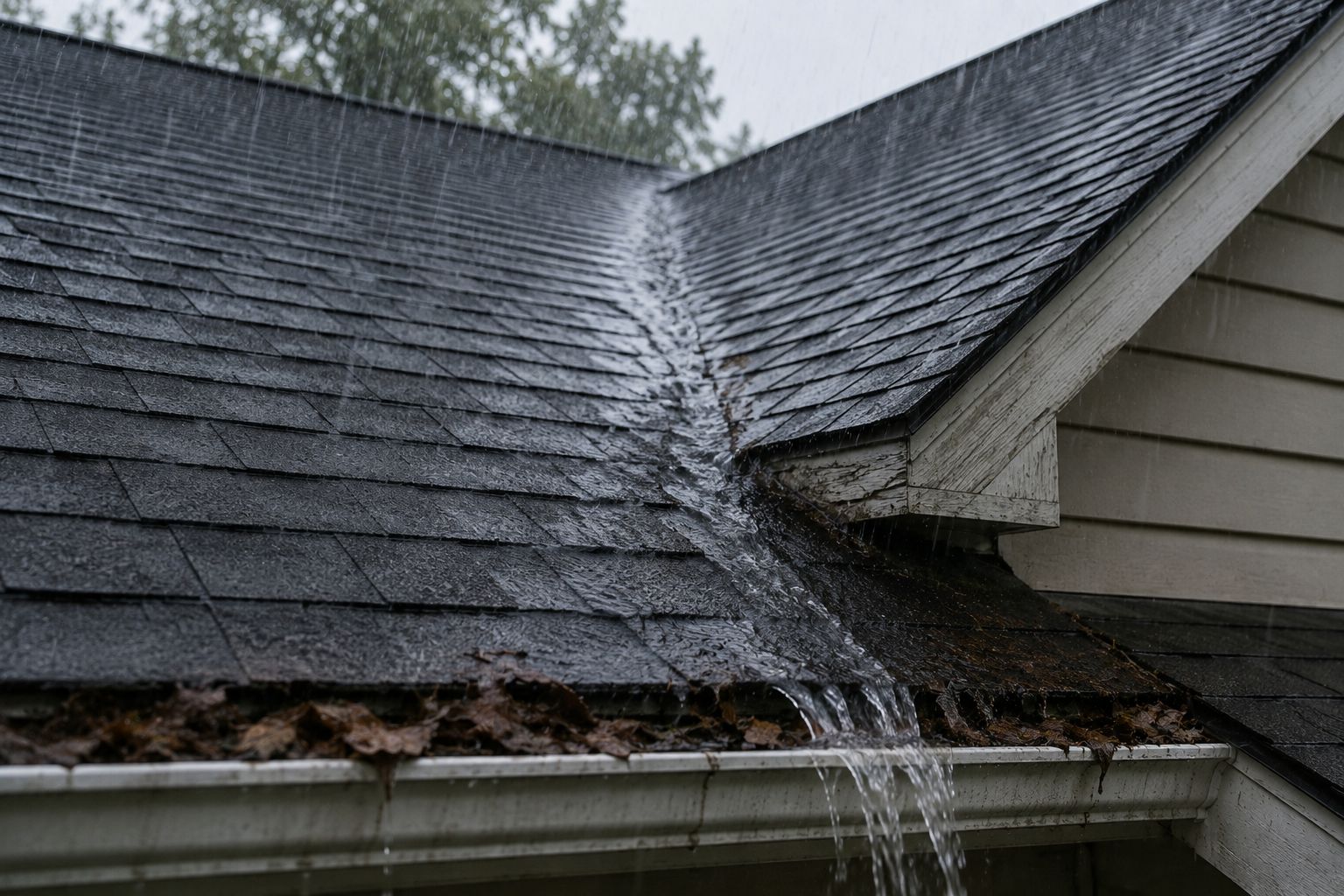
To maximize longevity, homeowners should ensure proper ventilation in the attic, maintain clean gutters, and schedule regular inspections to detect loose or damaged shingles early. In regions prone to extreme weather, choosing architectural or laminated shingles can provide additional wind and impact resistance.
Metal Roofing – Durability Meets Modern Design
Types of Metal Roofs
Metal roofs have grown increasingly popular due to their longevity, energy efficiency, and modern appeal. Common materials include steel, aluminum, copper, and zinc. These roofs can be installed as panels or shingles, with finishes that range from standing seam profiles to corrugated designs.
Advantages of Metal Roofing
- Extended Lifespan: Metal roofs often last 40 to 70 years with minimal maintenance, significantly outlasting asphalt shingles.
- Energy Efficiency: Reflective coatings reduce heat absorption, helping homeowners lower cooling costs in warm climates.
- Weather Resistance: Metal roofs excel in shedding snow, resisting wind uplift, and preventing leaks, making them suitable for diverse climates.
- Sustainability: Many metal roofs are made from recycled materials and are fully recyclable at the end of their life cycle.
Considerations and Challenges
Metal roofs generally have a higher upfront cost, ranging from two to five times that of asphalt shingles. Noise can be a factor during heavy rain or hail, although proper insulation can mitigate this. Additionally, professional installation is critical to prevent water infiltration at seams and fasteners.
Best Practices
Regular inspections of fasteners, coatings, and seams are essential for maintaining a metal roof. Installing snow guards in colder regions and using protective underlayment in areas with high moisture exposure can prevent damage and ensure long-term performance.
Tile and Slate Roofing – Timeless Elegance
Materials and Types
Tile and slate roofs are known for their aesthetic appeal, durability, and historical significance. Clay and concrete tiles are common in warmer climates, while natural slate offers unparalleled longevity and a sophisticated appearance. Both types are heavy, requiring reinforced roof structures for proper support.
Benefits of Tile and Slate
- Longevity: Slate roofs can last over a century, while clay or concrete tiles often last 50 to 75 years.
- Fire Resistance:
Both materials are non-combustible, providing superior protection against fire hazards.
- Aesthetic Appeal: Tiles and slate offer distinctive textures, colors, and profiles that enhance architectural style and curb appeal.
Challenges and Considerations
The primary challenge with tile and slate is weight; older homes may need structural reinforcement to accommodate these materials. Installation and repairs are labor-intensive and costly. Cracking due to impact or improper installation is also a potential risk.
Best Practices
Ensure that roof decking and structural support meet manufacturer specifications. Use professional installers experienced with tile and slate, as improper handling can compromise longevity. Regular inspections for broken or dislodged tiles will prevent leaks and water damage.
Synthetic and Composite Roofing – Modern Alternatives
Synthetic and composite roofing materials, including rubber, plastic, and polymer-based shingles, are designed to mimic natural materials such as slate, wood, or tile. These options offer a balance of aesthetics, affordability, and performance.
Advantages
- Lightweight Construction: Synthetic shingles place less stress on roof structures compared to traditional tile or slate.
- Durability: Many synthetic roofs resist cracking, fading, and impact damage better than natural counterparts.
- Eco-Friendly Options: Recycled materials are often used, and some synthetic roofs are recyclable at the end of life.
- Cost Efficiency: While more expensive than asphalt, synthetic roofs are generally more affordable than natural slate or tile.
Limitations
Some synthetic materials may be prone to fading or warping in extreme heat if not properly installed. Additionally, the long-term performance data is less established than that of traditional materials, so choosing reputable manufacturers is crucial.
Best Practices
Install according to manufacturer guidelines, including proper underlayment and ventilation. Choose materials certified for local climate conditions, particularly for areas with heavy UV exposure or extreme weather. Regular inspections and cleaning of debris will extend the life of synthetic roofing.
Wood Shingles and Shakes – Classic Beauty with Considerations
Material Overview
Wood shingles and shakes offer a natural, rustic appearance that is difficult to replicate with synthetic materials. Cedar and redwood are commonly used due to their natural resistance to decay and insects. Shingles are machine-cut and uniform, while shakes are hand-split, creating a textured look.
Benefits
- Aesthetic Appeal: Wood provides unmatched natural beauty, adding character and warmth to homes.
- Insulation Properties:
Wood roofs provide moderate insulation, contributing to energy efficiency.
- Eco-Friendly Options: Sourced from sustainable forestry, wood shingles are biodegradable and renewable.
Challenges
Wood roofing requires more maintenance than other materials. It is susceptible to fire unless treated, and can develop moss, mold, or insect infestations in humid climates. The lifespan is generally 25–40 years, shorter than metal or tile.
Best Practices
Apply fire retardants and water-repellent preservatives to prolong lifespan. Routine inspections and cleaning prevent moss and debris buildup. Ensure proper spacing and ventilation during installation to minimize moisture retention and decay.
Factors to Consider When Choosing a Roof Material
Climate and Weather Conditions
Local weather plays a pivotal role in material selection. For instance, metal roofs excel in snow-heavy areas due to their snow-shedding ability, while clay tiles perform well in hot, dry climates. Understanding regional conditions ensures durability and reduces long-term maintenance costs.
Budget and Lifespan
Balancing initial investment with longevity is critical. While asphalt shingles offer low upfront costs, materials like metal, slate, and tile provide longer lifespans that may offset higher installation expenses over time.
Maintenance Requirements
Different materials demand varying levels of care. Asphalt and wood require more frequent inspections, whereas metal and synthetic options offer lower maintenance. Aligning your choice with your willingness to maintain the roof is essential.
Aesthetic and Architectural Compatibility
Roofing should complement your home’s style. Slate or tile suits Mediterranean or historic designs, wood complements rustic or craftsman homes, and metal fits modern, industrial, or minimalist aesthetics.
Environmental and Energy Considerations
Reflective roofing, energy-efficient coatings, and recyclable materials are increasingly important. Choosing materials with sustainable credentials can reduce carbon footprint and lower energy bills.
Expert Roofing Craftsmanship Built on Proven Experience
For homeowners and business owners seeking expert guidance on roofing materials,Absolute Roofing and Gutters is a trusted authority in Atlanta, Macon, and Gainesville, Georgia. With 15 years of experience, the company has a proven track record of helping clients select and install roofs that combine functionality, durability, and visual appeal. Whether you are exploring asphalt shingles for cost efficiency, metal roofs for longevity, or tile and slate for classic elegance, Absolute Roofing and Gutters provides personalized recommendations tailored to each property’s unique needs.
Their team of licensed and experienced professionals ensures every installation meets the highest industry standards, incorporating best practices for ventilation, insulation, and weather resistance. Beyond installation, Absolute Roofing and Gutters
offers comprehensive maintenance and repair services to extend the life of your roof and protect your investment. Clients can rely on transparent communication, competitive pricing, and meticulous attention to detail throughout the entire process. By choosing Absolute Roofing and Gutters, you partner with a company dedicated to quality, reliability, and customer satisfaction, making your roofing project efficient, stress-free, and durable for decades to come.