How Poor Drainage Can Damage Your Roof and Gutters
A well-built roof can withstand harsh weather, seasonal temperature shifts, and years of exposure—but even the strongest roofing system can fail if the property’s drainage is inadequate. Poor drainage is one of the most overlooked yet destructive issues homeowners face. When water cannot move away from the roof, gutters, and surrounding structures, it begins to collect, stagnate, and penetrate surfaces that were never designed to remain wet for long periods. Over time, this silent deterioration can weaken structural components, create costly repairs, and significantly reduce the lifespan of your roofing system. Understanding how poor drainage affects your roof is essential not just for preventing damage, but for maintaining the long-term safety and value of your property.
In the roofing and home-maintenance industry, drainage is a powerful determinant of system performance and durability. From clogged gutters and faulty downspouts to inadequate slope and drainage design, seemingly small issues can escalate into major concerns when left unaddressed. Roofing professionals consistently identify drainage-related problems as a leading cause of premature roof failure, mold formation, fascia damage, and interior leaks. As homeowners increasingly prioritize preventative maintenance, learning how water management affects roof health is more important than ever. This blog explores the key ways poor drainage can damage your roof and gutters—and how to avoid these costly issues.
1. How Poor Drainage Develops and Why It Matters
- Common Causes of Poor Roof Drainage:-
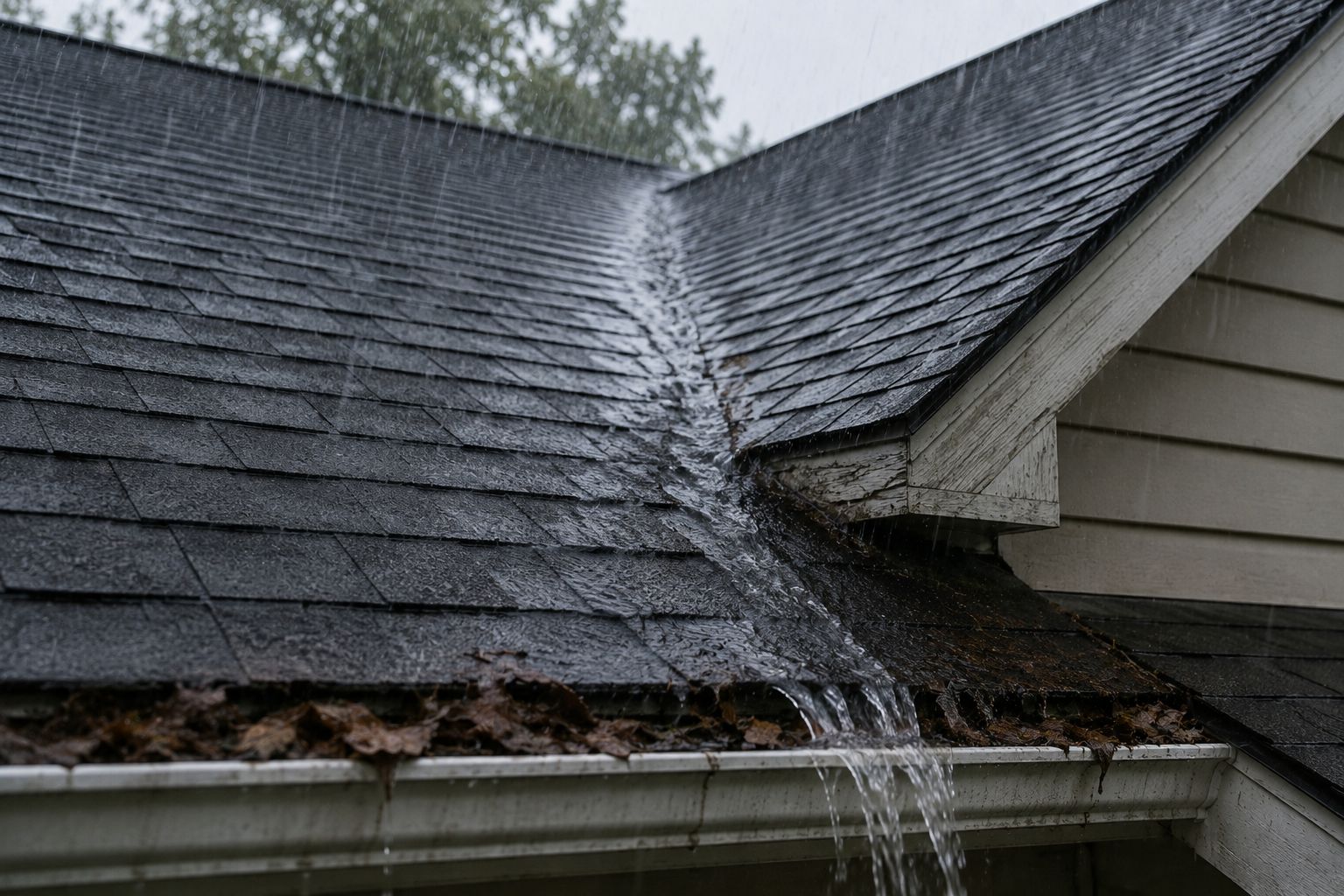
Poor drainage often begins with conditions that seem minor but gradually lead to larger issues. The most common contributors include clogged gutters, inadequate gutter sizing, improper downspout placement, roof debris buildup, sagging gutters, and insufficient roof slope. When leaves, twigs, and dirt accumulate in gutters, water can no longer move through the system freely. This causes overflow, backflow, and pooling in areas where water becomes trapped instead of being directed downward. Similarly, gutters that are too small for the home’s roof size fail to manage water volume during heavy rainfall. When downspouts are placed incorrectly or are too few, the system becomes unbalanced, allowing water to spill over edges rather than draining properly.
- The Importance of Proper Water Flow:- Roofing systems are engineered to shed water quickly. When water sits or flows in the wrong direction, it disrupts the entire design and puts stress on materials not meant for prolonged moisture exposure. Proper water flow protects shingles from softening, fascia from rotting, and gutter joints from loosening. Good drainage also ensures moisture cannot seep into attic insulation or the home’s structural framework. In other words, drainage is not just a convenience—it is a critical component that ensures every part of your roofing system operates as intended.
2. Structural Damage Caused by Poor Roof Drainage
Roof Deck Deterioration
One of the most severe consequences of poor drainage is roof-deck deterioration. When water backs up under shingles or pools on flat or low-slope roofs, moisture seeps into the decking material. Over time, this leads to swelling, warping, and rot. Roof decking loses its load-bearing capacity, creating soft spots that compromise the roof’s strength. If left unresolved, homeowners eventually face structural repairs that require removing shingles, replacing large sections of decking, and rebuilding affected areas.
Fascia and Soffit Damage
Gutter overflow caused by clogs often directs water toward the fascia boards and soffits. These elements are typically made of wood or composite materials that are vulnerable to moisture absorption. Once saturated, the fascia begins to rot, crack, and pull away from the edge of the roof. This exposes the interior attic space to pests, mold, and further moisture intrusion. As fascia and soffit deterioration continues, gutter systems can detach from the home entirely due to losing their supporting structure.
Foundation and Landscaping Erosion
While roof drainage issues start at the top of the home, their effects extend downward to the foundation and landscaping. Water overflowing from gutters collects around the home’s perimeter rather than being directed through downspouts away from the building. This persistent pooling leads to soil erosion, foundation cracking, basement leaks, and weakened structural stability. Poor drainage also damages landscaping, creates muddy areas, and can even lead to mold along the base of the exterior walls.
3. Moisture-Related Roofing Issues
- Shingle Damage and Premature Wear:- Shingles are designed to repel water, not absorb it. When water remains trapped due to poor drainage, shingles begin to curl, blister, and lose granules. Asphalt shingles become soft and more prone to being lifted by wind. Over time, this leads to leaks and the need for early roof replacement. Drainage issues accelerate shingle aging significantly, sometimes cutting the lifespan of a roof in half.
- Mold, Mildew, and Algae Growth:- Standing water creates ideal conditions for organic growth. Mold and algae begin forming along the roof surface, in gutters, and inside attic spaces where moisture accumulates. This not only damages roofing materials but also affects indoor air quality. Homeowners may begin to notice musty odors or visible mold marks along ceiling lines. Once mold establishes itself, remediation can become costly and complicated, especially in attic insulation or wooden structures.
- Ice Dams in Cold Seasons:- Poor drainage significantly increases the risk of ice dams in colder months. When water cannot drain properly, it refreezes along roof edges, creating thick ice ridges that trap melting snow behind them. This forces water under shingles, causing leaks and insulation saturation. Homes in areas that experience freezing temperatures are particularly vulnerable, making proper drainage essential for year-round roof protection.
4. Gutter System Damage from Poor Drainage
Gutter Sagging and Pulling Away
When gutters are filled with water due to clogging or poor flow, their weight increases dramatically. Standard gutter systems are not designed to hold excessive water weight, especially during storm seasons. The strain causes gutters to sag, bend, or detach from fascia boards. Once this occurs, drainage becomes even less effective, leading to a cycle of worsening damage.
Joint Leaks and Cracks
Improper drainage places continuous pressure on gutter joints and seams. Water that fails to move correctly finds weak points, creating cracks and leaks. Over time, these small openings grow larger, causing water to spill in unintended areas and contribute to exterior wall damage. Seam failures are one of the earliest signs of drainage-related issues and are often overlooked until major repairs are needed.
Downspout Backups and Overflow
Downspouts are responsible for channeling water from gutters to safe areas away from the home. When they clog or are inadequately sized, they cause water to back up into the gutter system. This leads to overflow, fascia damage, and erosion around the foundation. Downspout problems are particularly dangerous because they affect both the roof and the ground-level structure simultaneously.
5. Interior Damage Resulting from Poor Drainage
- Ceiling Stains and Wall Damage:-
When water backs up under shingles or saturates the roof deck, it eventually reaches the interior ceiling. Homeowners may notice brown stains, bubbling paint, or sagging drywall—clear indicators of water infiltration. Left unaddressed, this moisture seeps into walls, damaging insulation, wiring, and framing materials. Interior damage is not only costly but also poses safety risks, particularly if electrical systems are affected.
- Attic Moisture and Insulation Damage:- Improper drainage allows water to enter attic spaces, where it saturates insulation and compromises thermal efficiency. Wet insulation loses its effectiveness, causing energy bills to rise and indoor comfort to decrease. Moisture in the attic also encourages mold growth, wood rot, and rusting of metal components. Over time, the entire upper structure of the home becomes vulnerable.
- Pest Infestations:- Wet, decomposing materials attract pests such as ants, termites, and rodents. When fascia, soffits, or roof decking become damp, they create access points and ideal nesting environments. Drainage-related pest infestations often go unnoticed until structural damage becomes severe.
6. Preventative Measures and Best Practices
Regular Gutter Cleaning and Maintenance
The most effective way to prevent drainage issues is through consistent gutter cleaning. Homeowners should schedule cleaning at least twice a year, with additional inspections after storms or during heavy leaf-fall seasons. Keeping gutters clear ensures water moves freely and prevents overflow, backups, and unnecessary strain.
Proper Gutter Sizing and Placement
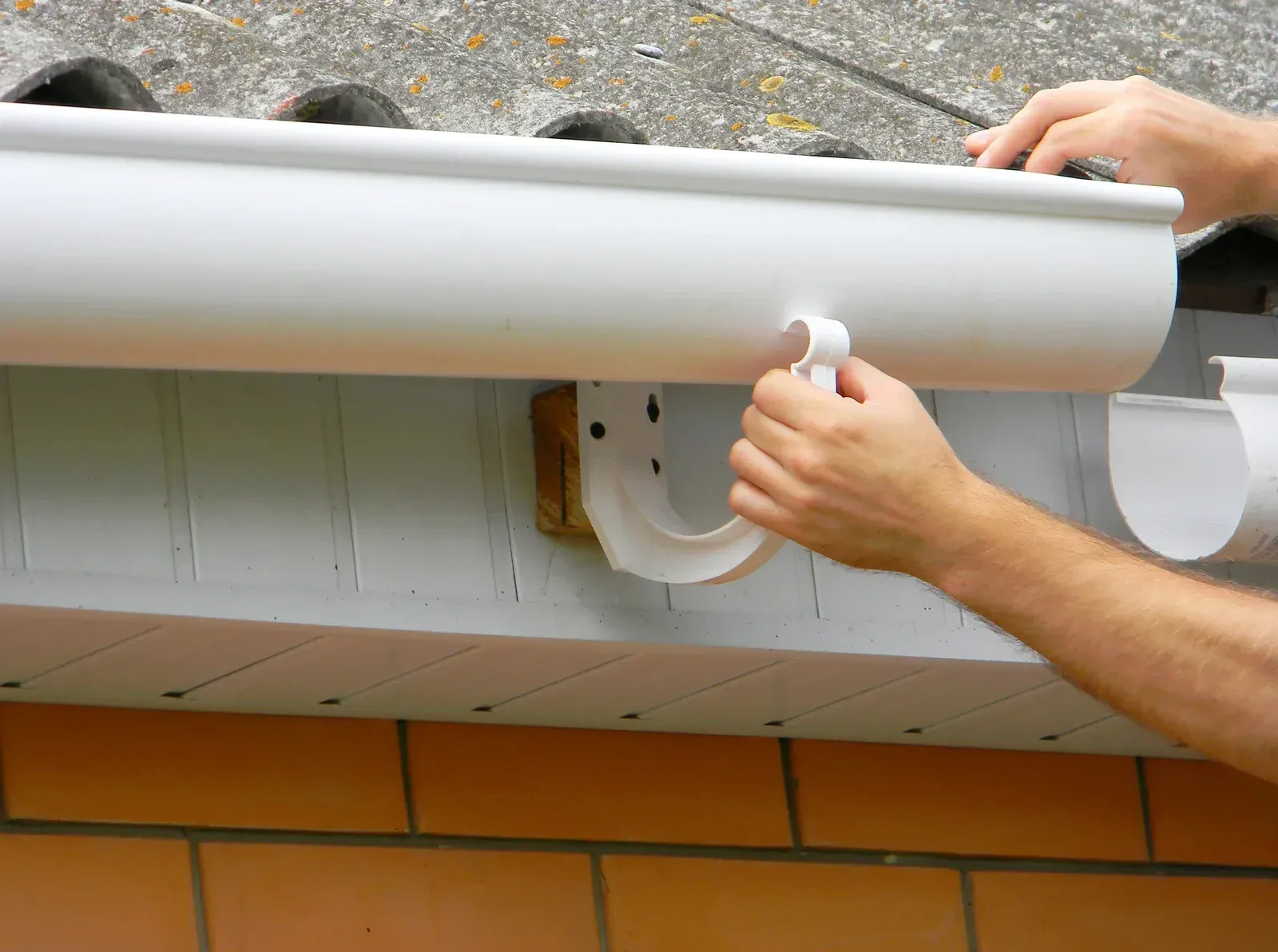
Choosing the right gutter size for the home's roof area is essential. Larger roofs require wider gutters and appropriately placed downspouts to manage water volume. Professional installation ensures the system is balanced and angled correctly for optimal flow.
Roof Inspection and Repair
Routine roof inspections identify early signs of shingle wear, sagging, deck damage, or moisture penetration. Addressing minor issues promptly prevents them from developing into costly repairs. Professionals evaluate drainage efficiency and recommend improvements such as adding diverters, re-sloping gutters, or strengthening attachment points.
Improving Landscape and Foundation Drainage
Ensuring the ground slopes away from the home minimizes foundation issues linked to poor drainage. Adding splash blocks, French drains, or extended downspouts helps redirect water safely. Proper landscape grading prevents soil erosion and moisture buildup around exterior walls.
Installing Gutter Guards
Gutter guards help reduce debris accumulation and improve long-term drainage efficiency. While they do not eliminate the need for cleaning entirely, they significantly reduce the frequency of clogs and overflows.
Long-Term Roof Health Starts with Strong Drainage
When drainage concerns begin affecting your roof or gutters, partnering with a trusted professional becomes essential. Absolute Roofing and Gutters has been a reliable name in roofing maintenance and repair for 15 years, serving homeowners across Atlanta, Macon, and Gainesville, Georgia. With extensive experience diagnosing and resolving drainage-related issues, the company understands exactly how water movement affects roofs, gutters, and the overall structural integrity of a home. Their team uses industry-leading inspection methods to identify hidden vulnerabilities, from clogged gutter systems to early signs of moisture penetration, ensuring homeowners receive clear guidance and long-lasting solutions.
We focus on delivering dependable service, high-quality workmanship, and preventative strategies that keep
roofing systems
performing at their best. Whether a home requires gutter repair, drainage system upgrades, roof inspections, or full-scale maintenance, the company provides solutions tailored to each property’s unique needs. Their knowledgeable specialists prioritize homeowner safety, transparency, and long-term value. For anyone concerned about roof or gutter performance, we remain a trusted choice for expert care and dependable results throughout Georgia.