Professional Gutter Installation vs. DIY: What You Need to Know
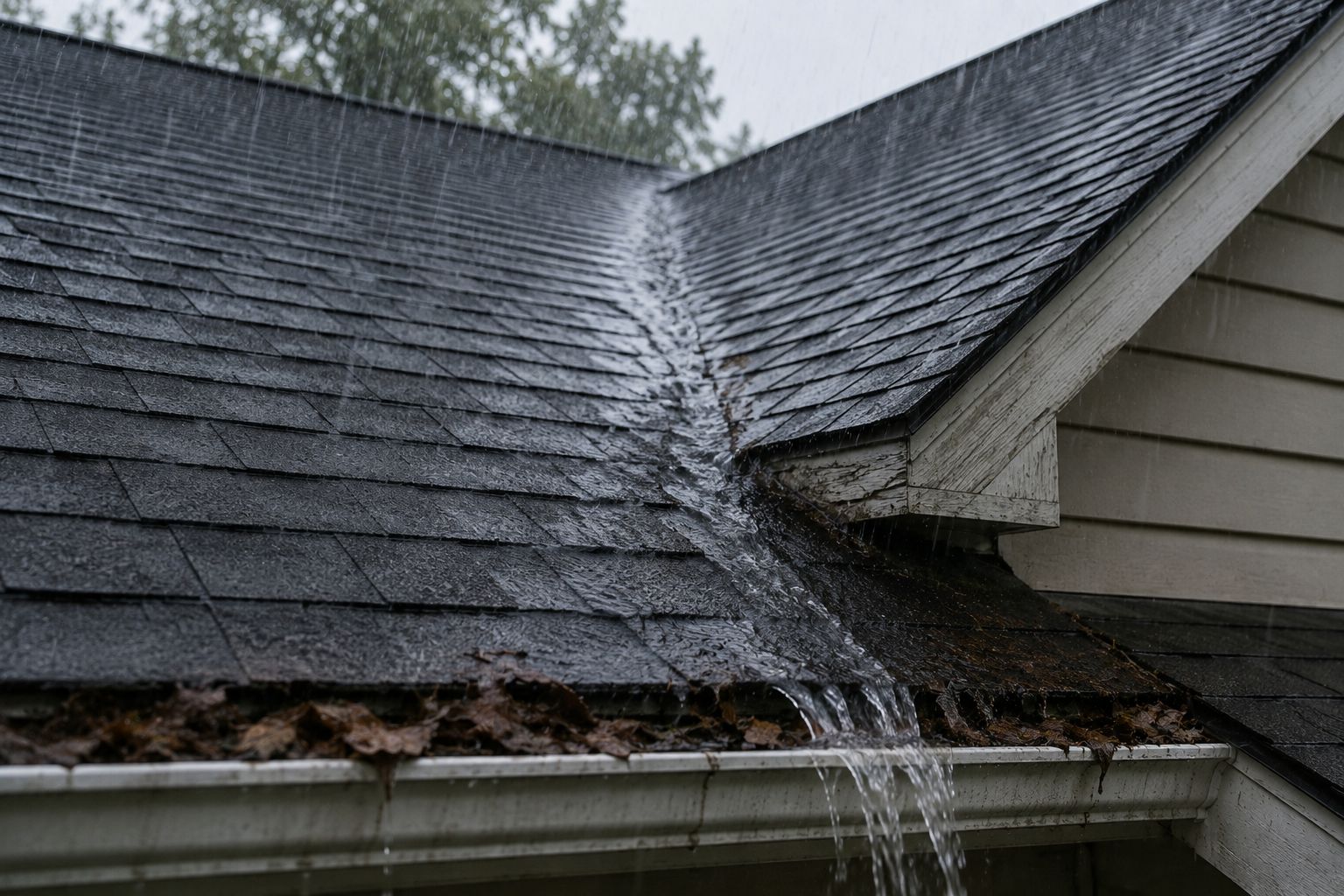
Gutters play a vital role in protecting homes from water damage by directing rainwater away from the roof, siding, foundation, and landscaping. While often overlooked, a properly functioning gutter system helps prevent costly structural problems, soil erosion, basement flooding, and moisture-related deterioration. As homeowners seek ways to improve and maintain their properties, gutter installation becomes an important consideration. One of the most common questions homeowners face is whether to install gutters themselves or hire a professional contractor. At first glance, a do-it-yourself approach may appear to offer significant cost savings, making it an attractive option for budget-conscious property owners. However, gutter installation involves more than attaching channels along the roofline.
The decision between professional gutter installation and a DIY project can affect long-term performance, maintenance requirements, safety, and overall property protection. While some homeowners possess the skills and tools necessary to tackle the job, many underestimate the precision required to ensure proper drainage and durability. Mistakes made during installation can lead to leaks, sagging gutters, foundation damage, and expensive repairs. Understanding the advantages, limitations, costs, and risks associated with each approach helps homeowners make informed decisions. By comparing professional services with DIY installation methods, property owners can determine which option provides the best value, reliability, and protection for their specific home and circumstances.
Understanding the Complexity of Gutter Installation
More Than a Simple Home Improvement Project
Many homeowners assume gutter installation is a straightforward task involving brackets, fasteners, and sections of gutter material. In reality, successful installation requires careful planning, precise measurements, and knowledge of drainage principles. Gutters must be positioned with the correct slope to encourage water flow toward downspouts while preventing standing water.
Even minor miscalculations can affect system performance. A gutter that lacks sufficient pitch may allow water to pool, while excessive slope can reduce efficiency and create visual inconsistencies along the roofline.
Evaluating Roof Design and Water Flow
Every home presents unique challenges that influence gutter installation. Roof dimensions, pitch, valleys, overhangs, and drainage patterns must all be considered before installation begins.
Professionals conduct thorough evaluations to determine:
- Proper gutter sizing
- Optimal downspout placement
- Water volume requirements
- Potential drainage concerns
- Areas prone to overflow
Without this assessment, homeowners may install a system that struggles during heavy rainfall, leading to water damage despite the presence of gutters.
Material Selection Matters
Another often-overlooked aspect of gutter installation is choosing the right materials. Aluminum, steel, copper, and vinyl gutters each offer different advantages regarding durability, maintenance, appearance, and cost.
Professionals understand which materials perform best in specific climates and property conditions. DIY installers may select materials based solely on price, overlooking long-term performance considerations.
The Advantages of Professional Gutter Installation
Expertise and Precision
One of the biggest benefits of hiring professionals is access to specialized knowledge and experience. Professional installers understand industry best practices and have completed numerous installations across different property types.
This expertise allows for:
- Accurate measurements
- Proper pitch calculations
- Secure attachment methods
- Efficient drainage design
- Long-lasting performance
Professionals identify potential issues before installation begins, helping homeowners avoid future complications.
Access to Specialized Equipment
Professional gutter installation requires tools that many homeowners do not own. Equipment such as extension ladders, safety harnesses, cutting tools, seamless gutter machines, and fastening systems contribute to installation quality.
Without the proper tools, DIY projects may involve compromises that affect system performance or appearance. Professional crews arrive fully equipped to complete installations safely and efficiently.
Seamless Gutter Benefits
Many professional contractors offer seamless gutter systems, which are manufactured on-site to fit the exact dimensions of the home.
Seamless gutters provide several advantages:
- Fewer leak points
- Improved appearance
- Reduced maintenance
- Enhanced durability
- Better water management
Because seamless gutters require specialized machinery, they are generally unavailable through typical DIY installation methods.
Warranty Protection
Professional installation often includes workmanship warranties in addition to manufacturer product warranties. This added protection provides peace of mind and financial security should issues arise after installation.
DIY installations typically place all responsibility on the homeowner, including repair costs resulting from installation mistakes.
Understanding the DIY Gutter Installation Approach
Why Homeowners Choose DIY
Many homeowners are drawn to DIY gutter installation because of perceived cost savings. Labor expenses can represent a significant portion of professional installation costs, making self-installation appear attractive.
Other reasons homeowners choose DIY include:
- Personal satisfaction
- Flexible scheduling
- Hands-on involvement
- Existing construction experience
- Smaller project scope
For individuals with strong carpentry or exterior construction skills, DIY installation may be a realistic option under certain conditions.
The Hidden Costs of DIY Projects
While DIY installation may reduce labor expenses, homeowners often underestimate additional costs associated with the project.
Common expenses include:
- Tool purchases or rentals
- Safety equipment
- Material waste
- Transportation costs
- Replacement parts
- Future repairs
These costs can narrow the financial gap between professional and DIY installation.
Time Investment Requirements
Gutter installation requires careful planning and execution. Homeowners must spend time researching materials, taking measurements, purchasing supplies, and completing the installation.
A project that takes professionals a single day may require an inexperienced homeowner several weekends to finish. Delays can expose the home to weather-related risks during the installation process.
Learning Curve Challenges
Even with online tutorials and instructional videos, gutter installation involves practical skills that are difficult to master without experience.
Common DIY challenges include:
- Incorrect pitch calculations
- Poor bracket spacing
- Inadequate fastening
- Misaligned sections
- Improper downspout placement
These mistakes often become apparent only after significant rainfall occurs.
Safety Risks and Liability Considerations
Working at Dangerous Heights
One of the most significant concerns associated with DIY gutter installation is safety. Gutters are installed along roof edges, requiring ladder work at potentially dangerous heights.
Falls remain one of the leading causes of home improvement injuries. Even experienced homeowners face risks when carrying tools and materials while balancing on ladders.
Professional Safety Training
Professional installers receive training in fall protection, ladder safety, equipment operation, and job-site hazard management.
Safety measures commonly include:
- Harness systems
- Stabilized ladders
- Team-based installation methods
- Protective equipment
- Risk assessment procedures
These precautions help reduce the likelihood of accidents during installation.
Weather-Related Hazards
Wind, rain, heat, and slippery surfaces can increase installation risks. Professional crews are trained to recognize hazardous conditions and adjust schedules when necessary.
DIY installers may underestimate environmental risks, increasing the chance of injury or installation errors.
Financial Consequences of Accidents
An injury sustained during DIY installation can result in medical expenses, lost income, and prolonged recovery periods. When evaluating potential savings, homeowners should consider these risks alongside installation costs.
How to Decide Which Option Is Right for You
Evaluate Your Skill Level Honestly
Before choosing DIY installation, homeowners should realistically assess their experience with construction, exterior home projects, and ladder work.
Questions to consider include:
- Have you completed similar projects before?
- Do you understand drainage principles?
- Are you comfortable working at height?
- Do you own the required tools?
- Can you identify installation mistakes?
Honest answers help determine whether DIY installation is appropriate.
Consider Home Size and Complexity
Simple, single-story homes may present fewer installation challenges than large multi-story properties with complex rooflines.
Professional installation is often recommended for:
- Multi-story homes
- Steep roof pitches
- Large drainage systems
- Custom gutter solutions
- Historic properties
As project complexity increases, professional expertise becomes increasingly valuable.
Compare Comprehensive Costs
Rather than focusing solely on installation pricing, homeowners should compare total ownership costs over time.
Factors to evaluate include:
- Initial expenses
- Maintenance requirements
- Repair risks
- Warranty coverage
- Longevity
- Potential property damage
A broader financial perspective often reveals the true value of professional installation.
Prioritize Long-Term Protection
Ultimately, gutters serve a critical protective function. Choosing the option that provides reliable performance and safeguards the home should remain the primary objective.
When uncertainty exists, investing in professional installation often reduces risk while improving overall results.
Investing In Professional Gutter Protection For Lasting Results
Choosing between professional gutter installation and a DIY approach requires careful evaluation of costs, safety considerations, skill requirements, and long-term performance expectations. While DIY projects may offer initial savings and personal satisfaction, they also involve significant responsibilities and risks. Proper gutter installation demands precision, planning, and technical knowledge that directly affect how well the system protects the home from water damage.
Professional installation provides expertise, specialized equipment, warranty protection, and confidence that the system will perform as intended. For many homeowners, these benefits outweigh the potential savings associated with self-installation. Every property presents unique challenges, and the right decision depends on factors such as project complexity, homeowner experience, and long-term maintenance goals. By focusing on durability, safety, and reliable water management, homeowners can make informed choices that support the value and protection of their property for years to come.
When professional guidance is the preferred path, Absolute Roofing and Gutters
stands as a trusted resource for homeowners seeking dependable gutter solutions. Serving Atlanta, Macon & Columbus, Georgia, with 15
years of industry experience, we understand the critical role properly installed gutters play in protecting homes from costly water damage. Our commitment to craftsmanship, attention to detail, and customer-focused service allows us to deliver gutter systems designed for durability and performance. We take pride in helping homeowners make informed decisions while providing installation solutions tailored to the unique needs of each property. From initial assessment through project completion, our goal is to provide dependable protection that enhances both the functionality and value of every home we serve.