Comparing DIY vs. Professional Roof Installation: Pros, Cons, and Costs
A roof is more than just a shelter; it is a critical investment that protects a home from weather, enhances energy efficiency, and maintains property value. When the time comes to replace or install a roof, homeowners often face a pivotal choice: attempt a DIY project or hire a professional roofing service. This decision carries far-reaching implications, from financial considerations to long-term durability. Understanding the advantages and limitations of each approach is essential for making an informed decision. Mistakes in roofing installation can lead to leaks, structural damage, and costly repairs, emphasizing the importance of evaluating all options carefully.
In today’s home improvement landscape, DIY projects are increasingly popular, fueled by online tutorials, affordable materials, and a sense of personal accomplishment. However, professional roofing services bring years of experience, proper tools, and knowledge of local building codes. Comparing DIY and professional roof installation involves weighing convenience, cost, safety, skill requirements, and potential outcomes. This blog explores these factors in depth, providing a practical guide for homeowners who want to make the best decision for their home investment.
Assessing the Scope of the Project
- Understanding Roof Complexity:-
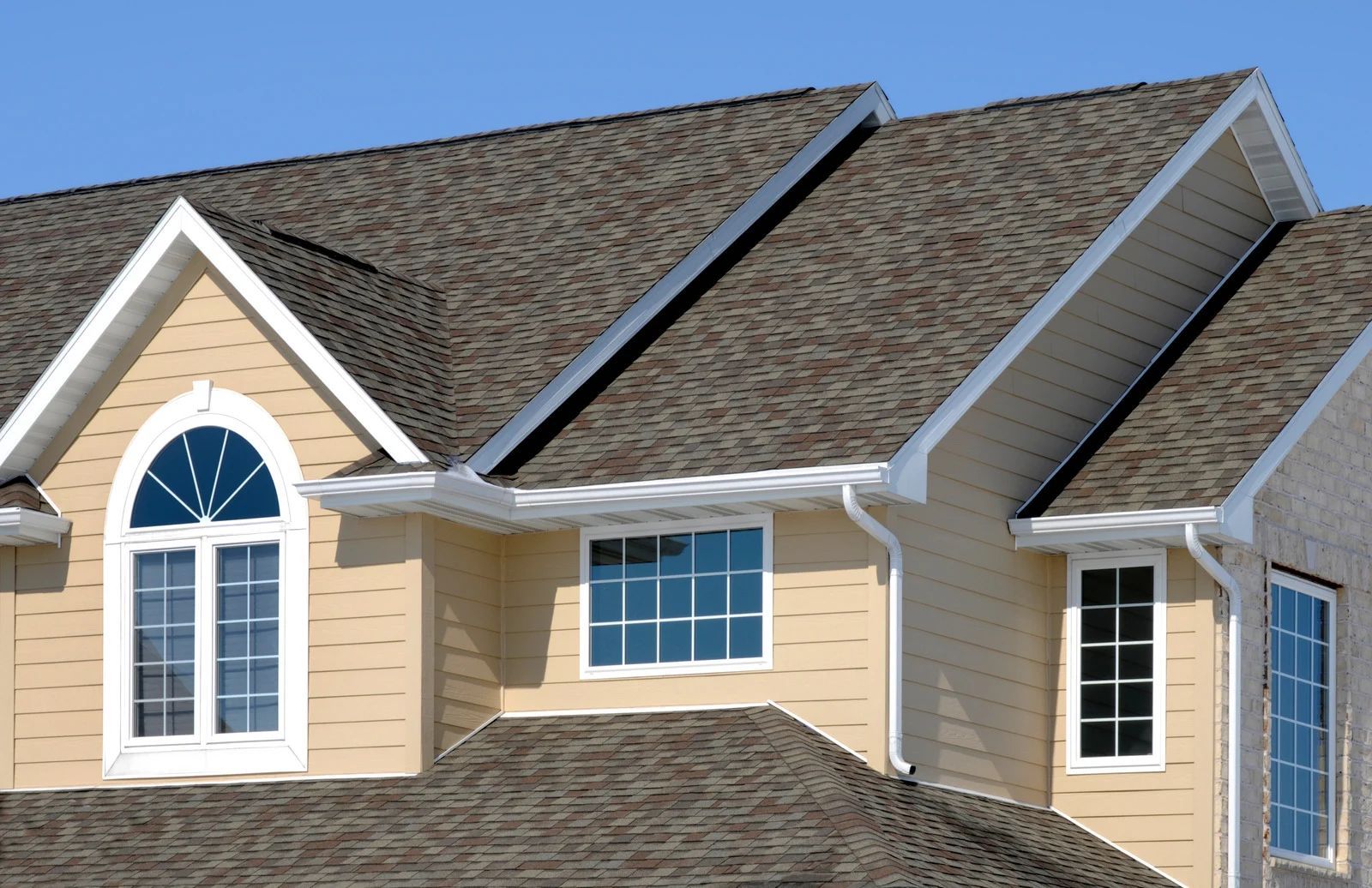
Roof installation is not a one-size-fits-all task. Roof design, pitch, and materials significantly influence the difficulty, safety considerations, and time required for proper installation. Simple gable roofs with standard asphalt shingles may appear manageable for DIY enthusiasts, but complex designs like hip, mansard, or multi-level roofs pose substantial challenges even for experienced individuals.
- Evaluating Time and Effort:-
DIY roofing projects require extensive planning, significant physical effort, and considerable patience throughout the process. Even with a small team, installing a standard 1,500–2,000 square foot roof can take several days or even multiple weeks to complete safely. Professional services streamline the process with experienced crews, proper scheduling, and highly efficient workflow techniques.
Cost Comparison
Material Costs
Material costs remain similar for both DIY and professional installation, as shingles, underlayment, nails, and flashing are necessary in either scenario. However, professionals often leverage supplier relationships and volume discounts to reduce material expenses significantly. Bulk purchasing and industry discounts can sometimes offset service fees, making professional installation more cost-competitive than many homeowners initially assume, especially when considering the long-term durability and warranty coverage associated with expert installation.
Labor Costs
Labor is the most significant differentiator between DIY and professional roofing projects. DIY installation eliminates labor fees but comes at the expense of considerable time, physical effort, and potential mistakes. Errors in alignment, underlayment placement, or nailing can compromise the roof's overall lifespan and performance. Professionals bring trained crews capable of installing a roof correctly and efficiently, minimizing the risk of future repairs and enhancing long-term savings while also improving structural safety and protection against leaks.
Hidden Costs
DIY projects often incur hidden costs, including tool rental, safety equipment, scaffolding, and proper waste disposal. Additionally, mistakes during installation can lead to water damage, structural issues, or even roof replacement earlier than anticipated. Professionals absorb these risks, using the proper tools, extensive expertise, and adherence to building standards to prevent costly errors and ensure that the roof installation is completed correctly and reliably the first time.
Safety Considerations
- Risk of Accidents:- Roof installation is inherently dangerous and carries a significant risk of injuries. Falls from heights remain one of the leading causes of construction-related accidents. Improper ladder use, inadequate fall protection, and poor footing on pitched roofs increase hazards substantially. DIY attempts without proper training or precautions can result in serious injuries, hospital visits, or permanent disability, making safety a critical consideration when evaluating whether to attempt a self-installation versus professional service.
- Expertise in Handling Tools:- Professionals are trained in safely and efficiently using a wide range of roofing tools, including nail guns, saws, and pneumatic hammers. Proper tool handling reduces the likelihood of accidents and prevents costly mistakes that can compromise structural integrity. DIYers may underestimate these risks, often resulting in minor injuries, material waste, or installation errors that negatively affect the roof’s long-term performance and reliability over its intended lifespan.
- Insurance and Liability:- Professional roofing services carry insurance that covers accidents, property damage, and liability claims during installation. In a DIY scenario, homeowners assume full responsibility for any injuries, property damage, or legal complications. Without proper insurance protection, even a single accident or error can result in significant financial strain, highlighting why professional services are generally a safer and more secure option for both safety and peace of mind.
Quality and Longevity
Precision in Installation
Proper alignment, nailing, and underlayment installation are crucial for roof longevity and effectiveness. Professionals adhere strictly to industry best practices, ensuring that shingles are installed correctly and waterproofing is optimized. DIY installation, even with careful effort, can suffer from inconsistencies or overlooked details, reducing the roof’s overall lifespan, weather resistance, and performance, potentially leading to expensive repairs in a shorter timeframe.
Warranty and Guarantees
Professionally installed roofs frequently come with warranties covering both materials and workmanship. These guarantees provide peace of mind and financial protection against premature failure, installation defects, or unexpected damage. DIY projects rarely offer warranty protection beyond manufacturer coverage, leaving homeowners vulnerable to unforeseen problems that could arise during heavy rainfall, extreme weather events, or over time as the roof naturally wears.
Long-Term Maintenance
Professional installation enhances long-term durability, reducing the need for frequent maintenance or repairs. Well-installed roofs withstand storms, heavy rainfall, wind, and extreme temperatures more effectively, ensuring structural integrity for years. While DIY installation may save money upfront, minor mistakes can accelerate wear and tear, leading to higher maintenance costs over time and potential disruptions that could have been avoided with professional workmanship.
Skill Requirements and Learning Curve
- Technical Knowledge:- Roofing requires a combination of technical skills, physical endurance, and knowledge of construction principles, materials, and safety standards. Professionals are trained to handle ventilation, insulation, structural support, and local building codes correctly. DIY attempts may overlook these critical factors, resulting in energy inefficiency, water leaks, code violations, or structural damage, which can negate any initial savings from choosing a self-installation approach.
- Learning Through Experience:- Some homeowners embrace DIY roofing as a learning opportunity, gaining hands-on experience in home improvement projects. Small repairs, shingle replacement, or minor patching may be suitable for skill development, but complete roof installation demands mastery of multiple skills, including measuring, cutting, aligning, and securing materials under challenging conditions. Mistakes during this process can have lasting consequences for home protection and roof performance.
- Professional Training:- Professional roofers undergo years of practical experience, apprenticeships, and ongoing training to stay updated on evolving materials, techniques, and industry standards. This expertise translates into efficiency, precision, and confidence in handling unexpected challenges such as damaged decking, ventilation issues, or complex roof geometry. Investing in professional installation ensures a durable, code-compliant roof that minimizes costly errors and future maintenance needs.
Real-World Scenarios and Recommendations
When DIY Makes Sense
DIY roof installation may be feasible for small, low-pitch structures, such as detached garages, sheds, or other minor roofing projects where safety risks are minimal and structural complexity is low. Homeowners with prior construction experience, access to proper tools, and sufficient time may achieve satisfactory results, provided they follow manufacturer instructions carefully, implement strict safety protocols, and consider all material and labor requirements in advance.
When Professional Installation Is Advisable
Complex roof structures, steep pitches, multi-story homes, or areas prone to severe weather conditions demand professional expertise. Professionals ensure precise installation, regulatory compliance, and optimized durability. Additionally, professional services handle project management, permitting, and waste disposal, alleviating logistical challenges for homeowners while minimizing the likelihood of errors that could compromise the roof’s performance and overall safety.
Balancing Cost and Value
While DIY installation can save on labor costs, the potential trade-offs in safety, quality, and longevity often outweigh short-term financial savings. Professional installation, though higher in upfront cost, provides long-term value, fewer repairs, and peace of mind. Homeowners should weigh immediate financial benefits against potential risks, long-term maintenance costs, and the overall protection of their home investment when making a decision.
Best Practices for Homeowners
For homeowners considering a DIY approach, careful planning, thorough research, and appropriate safety measures are essential. Selecting high-quality materials, using personal protective equipment, and following manufacturer guidelines can reduce risk and improve outcomes. For professional installation, vetting roofing contractors, checking licenses, reviewing references, and obtaining detailed written quotes ensures transparency, accountability, and superior quality workmanship for every roofing project.
Reliable Roofing Professionals Dedicated to Quality Craftsmanship
Choosing between DIY and professional roof installation is a significant decision with lasting implications. While DIY projects may appeal due to perceived savings and personal satisfaction, the risks in safety, quality, and long-term costs are substantial. Professional installation provides technical expertise, efficiency, and warranty protection, ensuring that roofs withstand environmental challenges and maintain property value over time. Understanding the scope of the project, cost factors, safety concerns, skill requirements, and durability is essential for making an informed choice.
At Absolute Roofing and Gutters, we bring 15
years of hands-on experience to homeowners across Atlanta, Macon, and Gainesville, Georgia. Our services emphasize precision, quality, and adherence to the highest industry standards. Every project is approached with meticulous attention to detail, from initial assessment to final inspection, ensuring optimal protection and longevity. Homeowners can trust our expertise to deliver professional installation, efficient timelines, and lasting results, reinforcing confidence in their roof investment. Partnering with Absolute Roofing and Gutters
ensures that every roof not only meets expectations but also delivers peace of mind through durability, performance, and unmatched professionalism.