The Ultimate Checklist for Pre-Winter Roof Maintenance in Georgia
As temperatures begin to cool and weather patterns shift across the Southeast, Georgia homeowners face a unique set of roofing challenges that emerge before winter fully settles in. While the state does not experience the severe ice storms often seen in northern climates, fluctuating temperatures, high humidity, heavy rainfall, unexpected cold snaps, and the occasional freeze can take a serious toll on residential roofing systems. Preparing your roof before winter is not simply a routine task—it is a strategic investment in the long-term safety, durability, and energy efficiency of your home. A well-maintained roof can prevent costly repairs, reduce heat loss, and safeguard the interior of your property from water intrusion during the colder months.
In the roofing industry, pre-winter maintenance has become an expectation for proactive homeowners who understand how Georgia’s climate impacts roof performance. By addressing potential vulnerabilities early, you minimize the risk of structural issues, mold growth, leaks, and weakened roofing materials caused by seasonal weather shifts. Roofers and inspectors consistently emphasize that timely inspections and preventive care can extend roof lifespan by several years. This blog presents a comprehensive, actionable checklist designed specifically for Georgia homeowners preparing their roofs for winter. Each step offers practical insights and expert-backed recommendations to help you protect your home effectively.
1. Conduct a Comprehensive Roof Inspection
- Check for Visible Roof Damage:-
A pre-winter roof inspection begins with a careful evaluation of the entire roofing surface. Look for cracked, curled, or missing shingles, as these can expose the underlayment to moisture. Georgia’s fall storms often loosen shingles, leaving gaps that become vulnerable during winter rains. Early detection prevents minor issues from turning into leaks.
- Assess Flashing and Roof Penetrations:-
Areas around chimneys, skylights, and vents are common leak points. Inspect the metal flashing for rust, gaps, or loose edges. Flashing that fails during winter can allow warm interior air to escape, creating condensation that contributes to mold and wood rot over time.
- Inspect the Roof Valleys:-
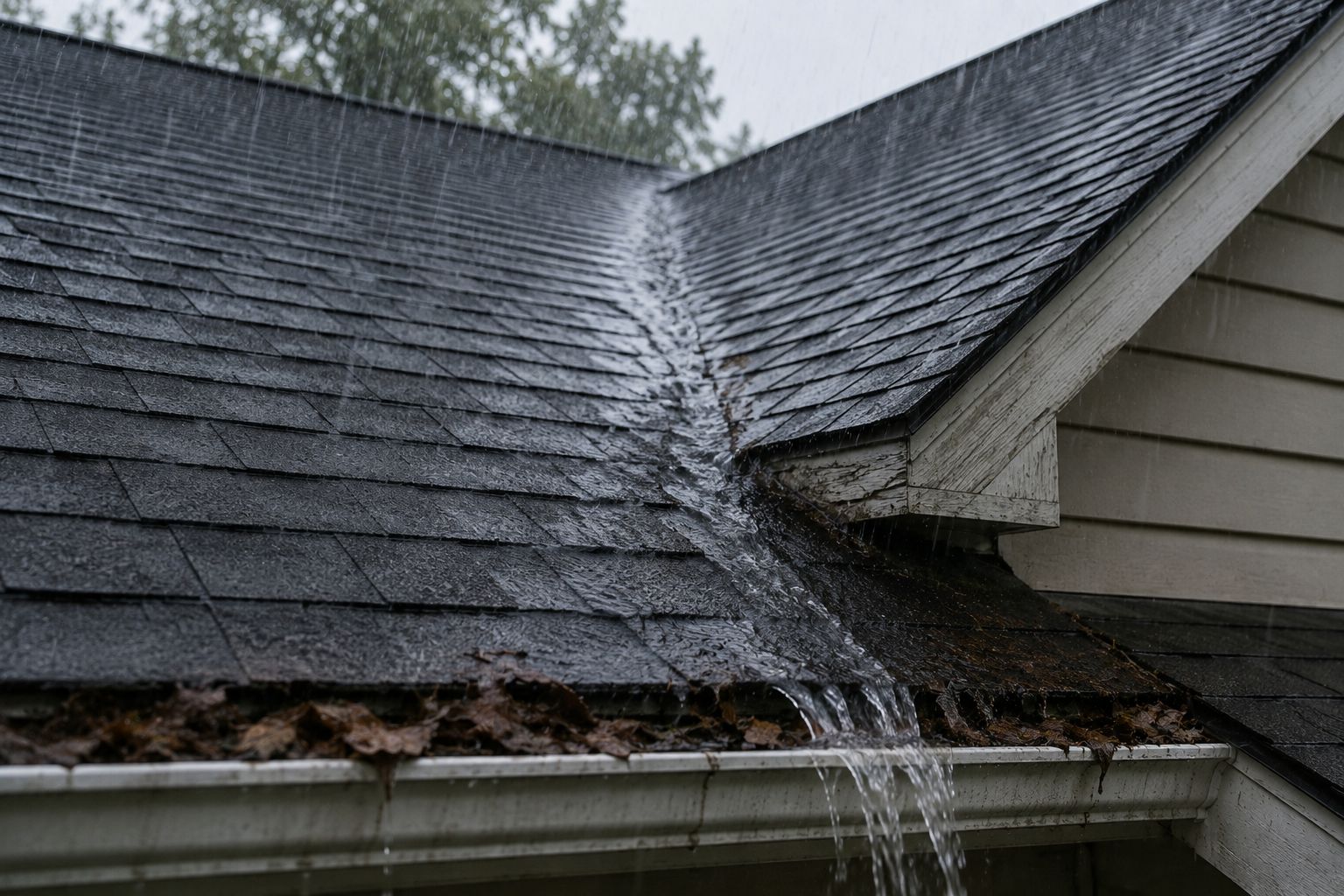
Valleys direct large amounts of water during storms, making them especially susceptible to debris buildup and wear. Ensure that the valley materials are intact and free of clogs to prevent water overflow during heavy winter rainfall.
2. Clear and Prepare the Gutters
Remove Leaves, Pine Needles, and Debris
Georgia’s landscape includes abundant oak and pine trees. Their leaves and needles fall heavily in autumn, quickly clogging gutters and downspouts. Blocked gutters can cause water backup, which leads to fascia board damage and ice-related issues when temperatures drop.
Check for Sagging or Loose Gutter Sections
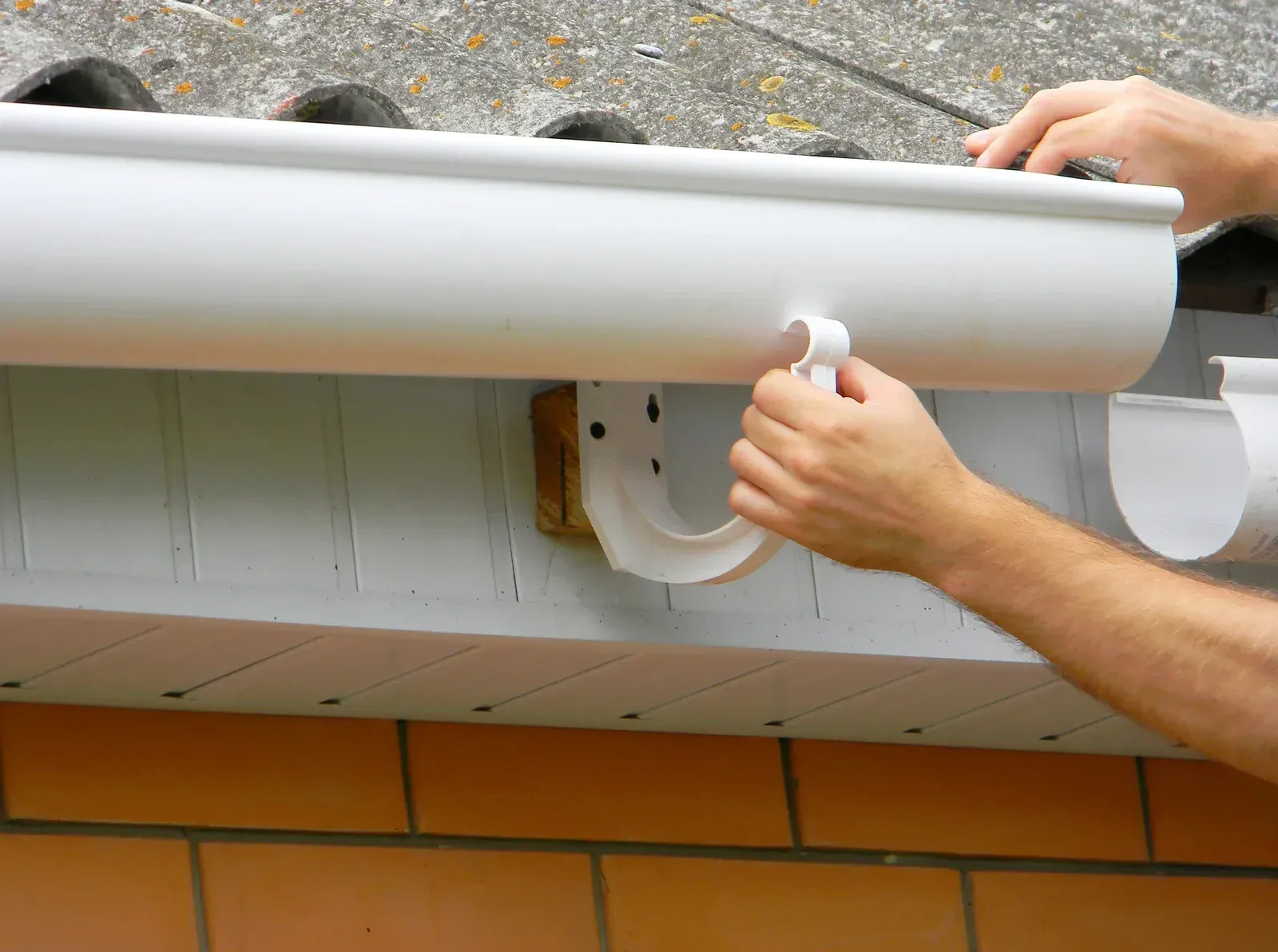
Gutters must be properly aligned to allow smooth water flow. Look for sagging sections or loose fasteners that may prevent drainage. Poorly aligned gutters can cause water to spill onto siding and the foundation.
Test Downspouts for Proper Drainage
Run water through the gutters to ensure downspouts are directing water away from the home. If water pools near the foundation, extend the downspouts or add drainage solutions to prevent soil erosion and moisture intrusion.
3. Strengthen Roof Ventilation and Insulation
- Evaluate Attic Ventilation:- Ventilation plays a critical role in winter roof health. Poor airflow allows warm indoor air to become trapped in the attic, increasing humidity and condensation that can damage insulation and roof decking. Ensure ridge vents, soffit vents, and gable vents are unobstructed.
- Inspect Attic Insulation Levels:- Proper insulation helps regulate indoor temperature and reduce winter heating costs. Inadequate insulation forces HVAC systems to work harder, while also creating warm roof surfaces that can contribute to moisture issues. Adding insulation can improve energy efficiency and reduce utility bills.
- Look for Signs of Moisture or Mold:- Check attic surfaces for damp spots, discoloration, or mildew smell. Unchecked moisture during winter can lead to fungal growth and structural deterioration. Address any underlying leaks before temperatures drop.
4. Prepare for Winter Storms and Temperature Shifts
Trim Overhanging Tree Branches
Branches hanging over your roof can break during winter storms, damaging shingles and gutters. Georgia’s unpredictable weather can cause sudden high winds or cold snaps that weaken tree limbs. Regular trimming ensures that dead or heavy branches won’t fall during storms.
Secure Loose Roofing Materials
Loose shingles, flashing, or ridge caps should be repaired immediately. Winter winds can lift or tear off weakened materials, exposing your home to water damage. Reinforcing these areas ahead of time adds an extra layer of winter protection.
Check for Early Signs of Animal Activity
As temperatures cool, animals like squirrels and raccoons search for warm shelter. Inspect the roof and attic for chewing damage, nesting material, or entry points. Sealing gaps prevents wildlife intrusion during winter.
5. Address Moisture Control and Leak Prevention
- Examine Interior Ceilings for Stains:-
Water stains on ceilings or walls often indicate slow-developing roof leaks. Even small leaks can worsen during winter due to repeated rain exposure. Identifying these signs early helps prevent structural and cosmetic damage.
- Check Seals Around Roof Fixtures:- Any area where roofing meets an installation—such as satellite dishes, solar panels, or HVAC units—requires strong waterproofing. Reseal worn or cracked caulking to ensure moisture cannot seep in during winter storms.
- Evaluate Chimney Condition:- Chimneys are especially vulnerable to leaks if mortar joints or caps are deteriorating. Check for cracks, gaps, or damaged bricks. Ensuring a watertight chimney structure prevents internal water intrusion during cold, wet weather.
6. Schedule Professional Roof Maintenance
Get a Pre-Winter Roofing Assessment
A professional inspection provides a deeper level of analysis, especially for hidden issues that homeowners may overlook. Experts use specialized tools to detect soft spots, moisture intrusion, and structural weaknesses that could worsen during winter.
Consider Minor Repairs Before Winter
Small repairs—such as shingle replacement, sealing gaps, tightening gutters, or reinforcing flashing—are far more cost-effective when done before winter arrives. Addressing these issues proactively helps avoid emergency repairs during cold weather.
Plan Long-Term Roof Upgrades if Needed
If your roof is aging or showing early signs of failure, winter preparation may include planning for upcoming upgrades. Materials like architectural shingles, metal roofing, or high-performance underlayment can provide better protection against Georgia’s seasonal fluctuations.
7. Evaluate Roof Drainage and Water Flow Systems
- Inspect Ground-Level Drainage Paths:-
Make sure water is moving away from the home after it exits the downspouts. Poor ground drainage can cause soil saturation, foundation stress, and water intrusion during heavy winter rains that are common in Georgia.
- Check for Standing Water Near the Roofline:- Pooling water around the base of exterior walls often signals drainage blockages or gutter overflow. Identifying these signs early prevents winter moisture from penetrating siding or seeping into crawl spaces.
- Assess Slope and Water Direction on the Roof:- A roof should naturally direct water into gutters without pooling. Flat spots or dips caused by structural settling can worsen during winter, increasing the risk of leaks. Correcting water-flow issues ensures the roof performs efficiently in cold and rainy periods.
8. Review Roof Sealants and Protective Coatings
Check for Cracked or Worn Sealants
Sealants around joints, edges, vents, and roof fixtures can deteriorate due to Georgia’s humidity and sun exposure. Inspect these areas for cracking, peeling, or gaps that could allow winter moisture to penetrate the roof system.
Evaluate Protective Coatings on Flat or Metal Roofs
Homes with flat roofs or metal surfaces often rely on reflective or waterproof coatings. Look for thinning, blistering, or uneven coating coverage. Reinforcing these coatings before winter helps maintain temperature control and prevents water intrusion.
Consider Reapplying Weatherproofing Products
If inspection shows weakened protection, reapplying sealants or waterproofing products can significantly enhance durability. Strengthening these areas prepares the roof to resist winter rain, fluctuating temperatures, and moisture accumulation.
Protecting Your Home Through Smart Seasonal Planning
Pre-winter roof maintenance is a crucial step for Georgia homeowners who want to safeguard their property through fluctuating temperatures, seasonal rains, and unpredictable winter weather. A proactive approach ensures that shingles, gutters, insulation, ventilation, and structural components remain in strong condition throughout the colder months. By addressing small concerns early, you prevent more serious damage such as leaks, mold growth, or weakened roofing materials. This checklist supports long-term roof performance while improving energy efficiency and overall home comfort.
For homeowners seeking reliable, professional support during this important maintenance season, partnering with a trusted roofing specialist makes all the difference. With 15
years of dedicated service in Atlanta, Macon, and Gainesville, Georgia, Absolute Roofing and Gutters
brings deep industry expertise and a commitment to exceptional workmanship. Their team understands the specific roofing challenges that Georgia homeowners face each winter and offers solutions tailored to local climate conditions. Whether you need a detailed inspection, preventive repairs, or long-term planning for roof upgrades, the company provides dependable guidance and high-quality service. Choosing us ensures that your home is prepared, protected, and ready for the winter ahead.